A2 · Elementary Reading
Interesting real-world stories written for A2 learners. Every story is also available at other levels.

Why the Moon Sometimes Turns Red
During a total lunar eclipse the Moon does not go dark — it glows a deep red. Sunlight bent through Earth's atmosphere paints this 'blood moon'.

Why the Northern Lights Are Reaching New Places
The northern lights are appearing far from the poles, in places that rarely see them. A busy period in the Sun's activity cycle is the reason.

The Search Beneath Egypt's Sands
More than a century after Tutankhamun, archaeologists in Egypt are still uncovering tombs, temples and lost cities beneath the desert.

Can We Bring Lost Animals Back?
Scientists are using DNA and gene editing to try to recreate animals that vanished long ago, from the mammoth onward. But should we?

Robots Move Into the Home
Humanoid robots that walk, carry and help with chores are moving from factories toward ordinary homes. What would living with one be like?

How Matcha Took Over the World
A bright green powdered tea from Japan has become a global favourite, appearing in cafés far from home — so popular that supplies have run short.

Why People Greet Each Other Differently
A handshake, a bow, a wave or a kiss on the cheek — around the world, people say hello in many different ways.

Why People Around the World Drink Tea
Tea began in China thousands of years ago and travelled the world, becoming a special drink with its own customs in many cultures.
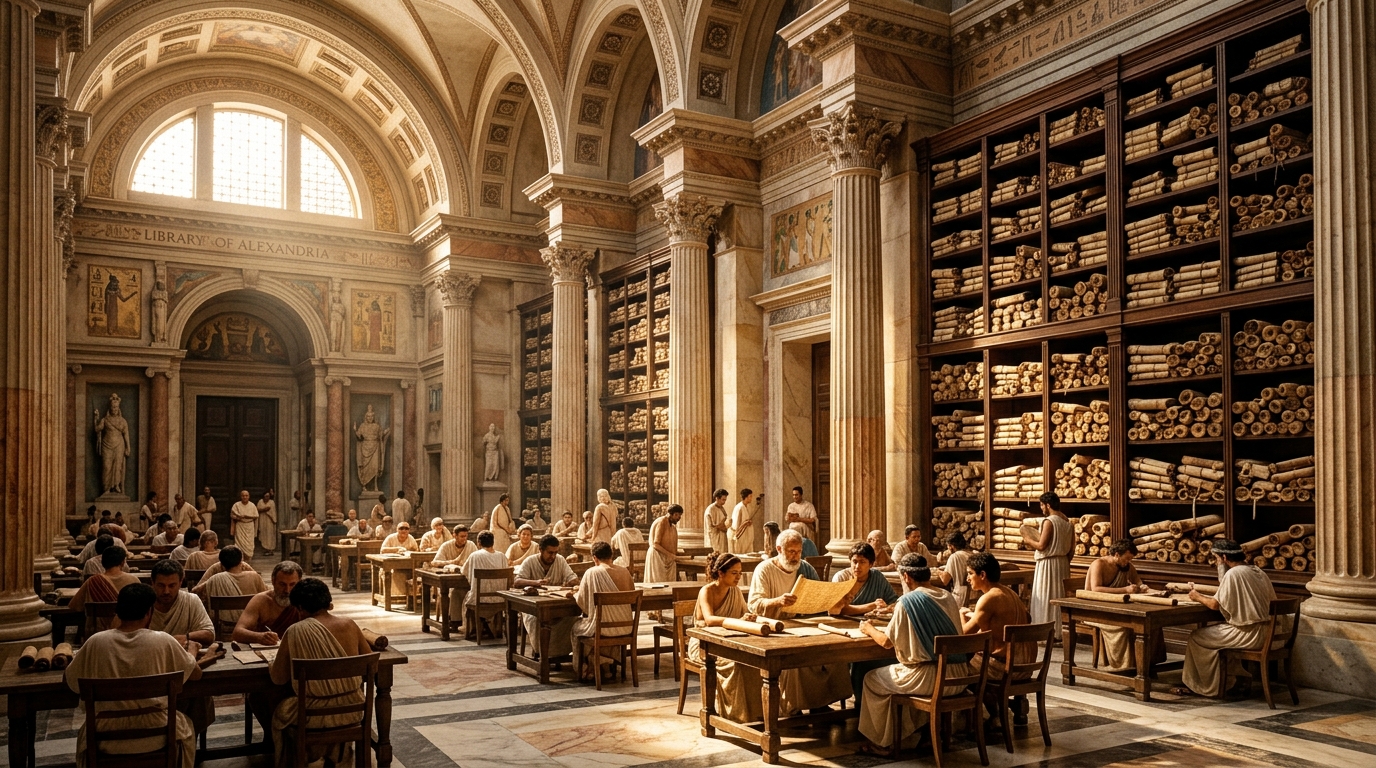
The Library of Alexandria
In the ancient city of Alexandria stood a great library that tried to collect all the knowledge of the world.

How the Great Wall of China Was Built
The Great Wall is not one wall but many, built over centuries by different rulers to protect China from attacks in the north.
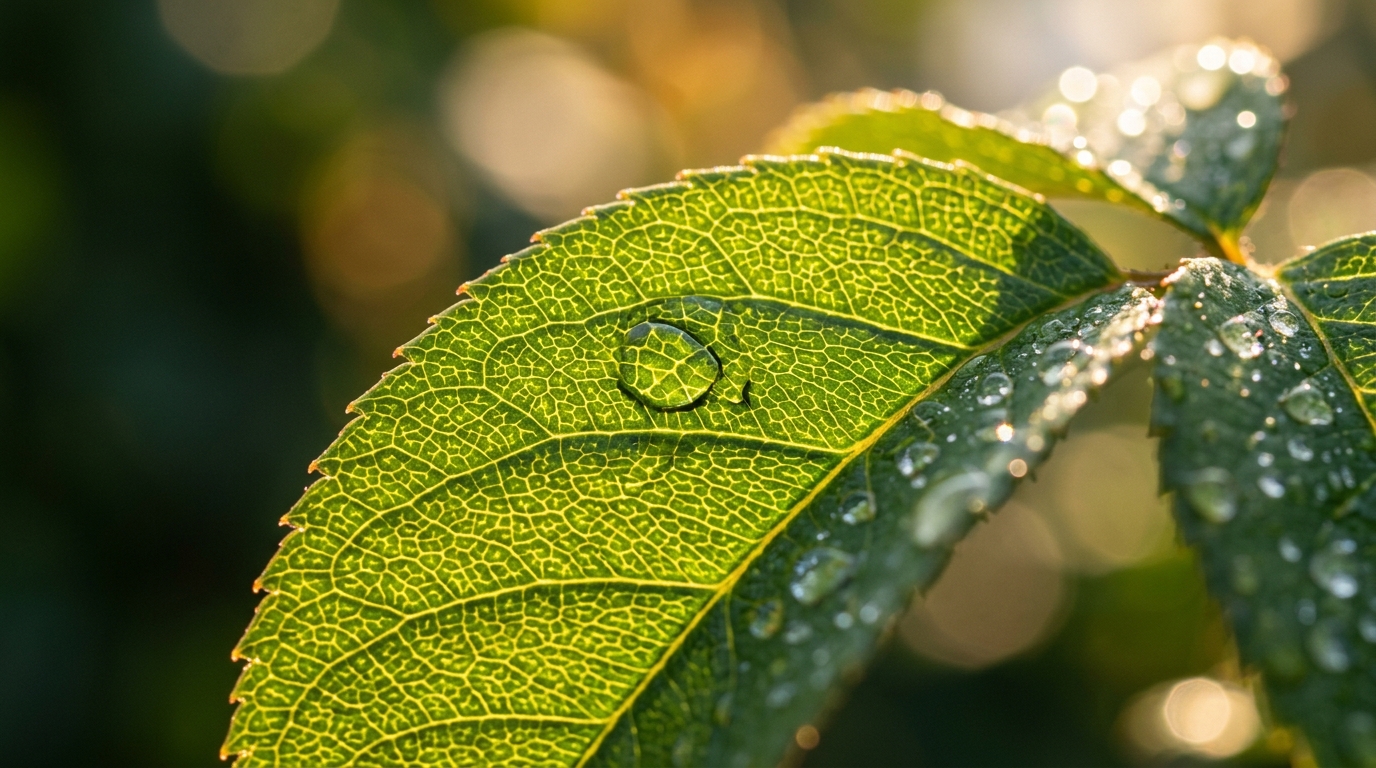
How Plants Make Their Food
Plants do not eat like animals. Using sunlight, water and air, they make their own sugar in a process called photosynthesis.
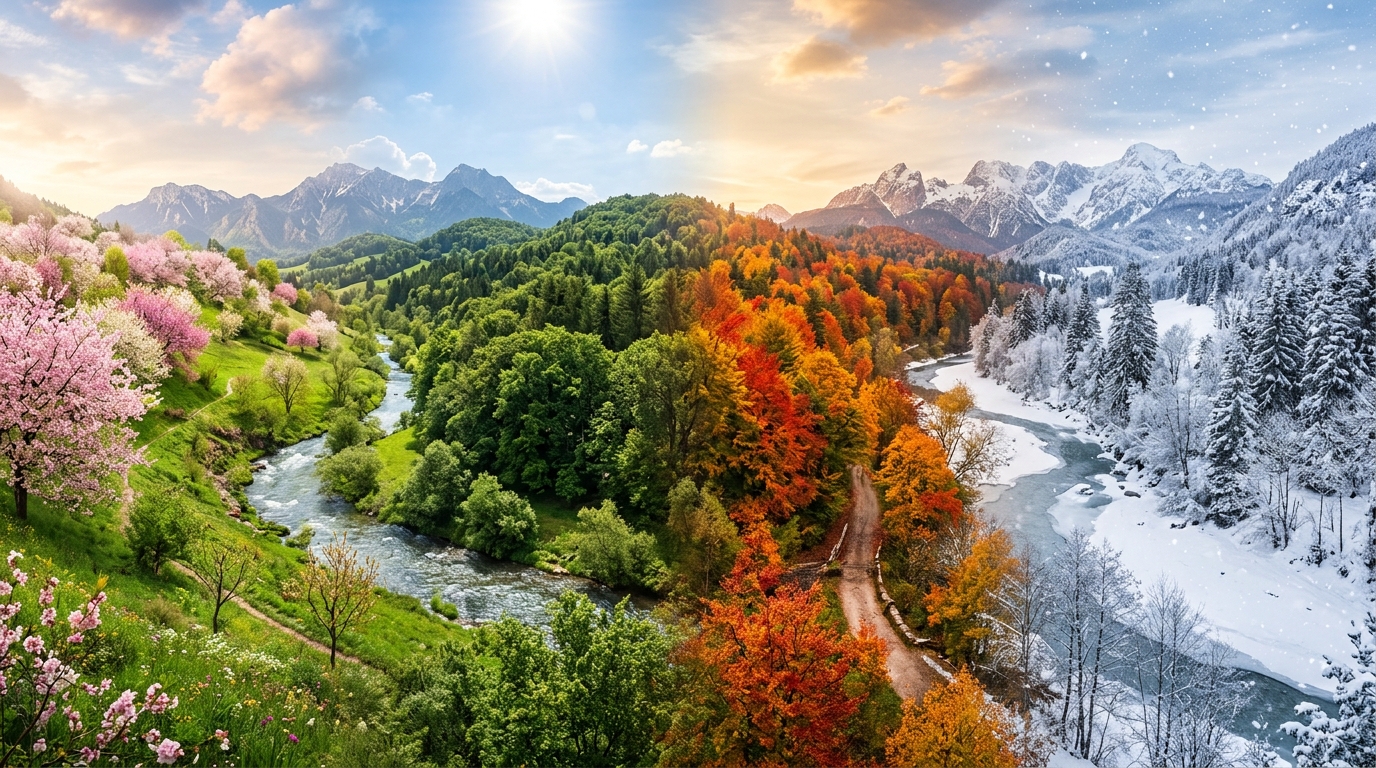
Why Do We Have Seasons?
Seasons are not caused by distance from the Sun. They happen because the Earth is tilted as it travels around it.
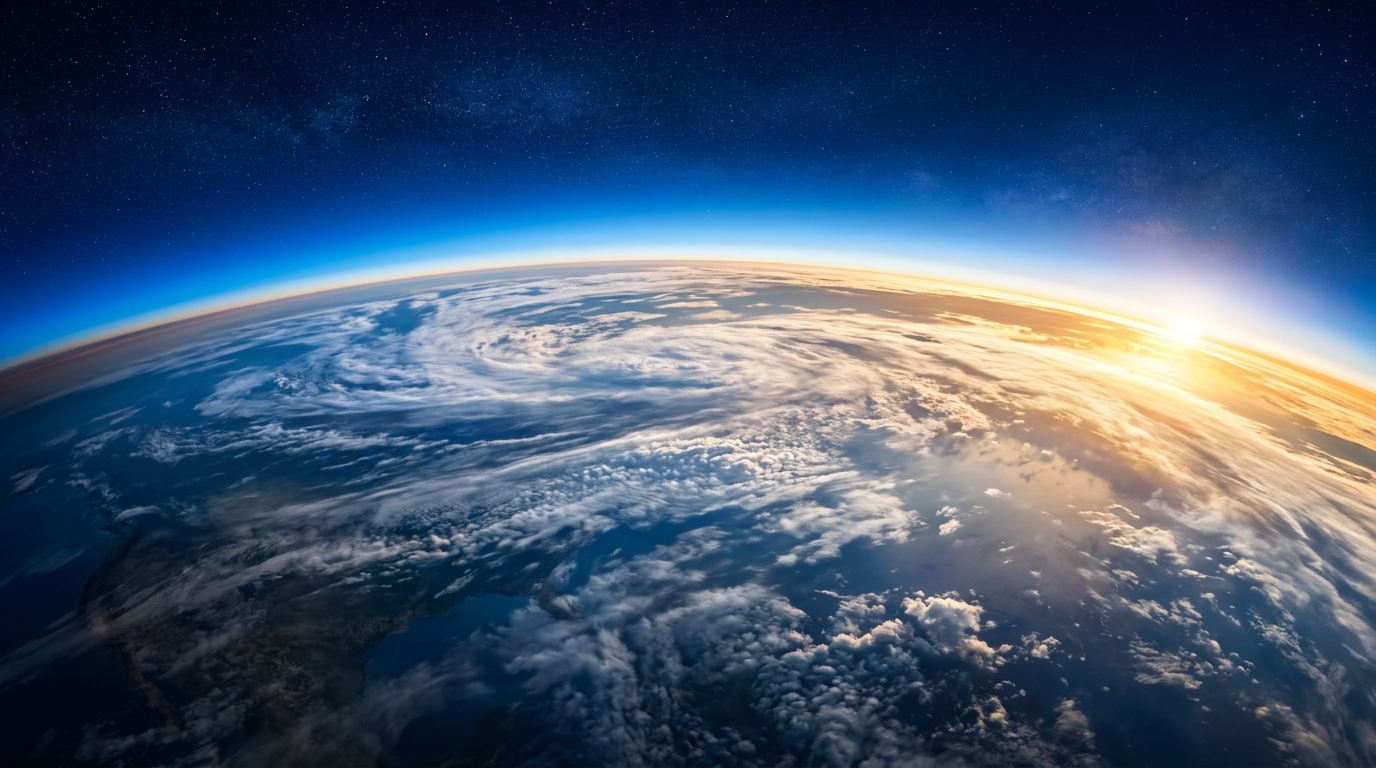
Why Is the Sky Blue?
Sunlight looks white, but the air scatters its blue light in every direction, which is why the daytime sky glows blue.
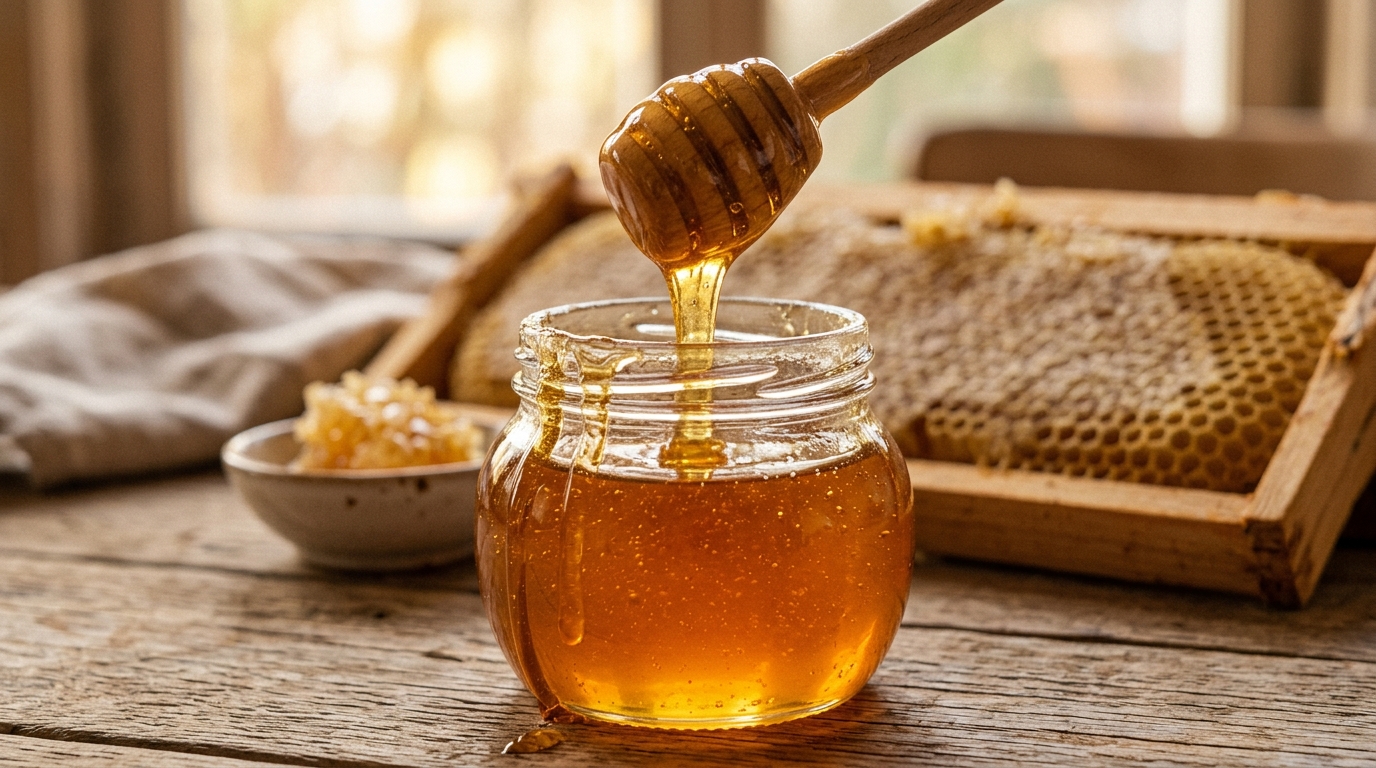
Why Honey Never Spoils
Sealed honey can last thousands of years. Its low water content and natural acidity stop bacteria from growing.
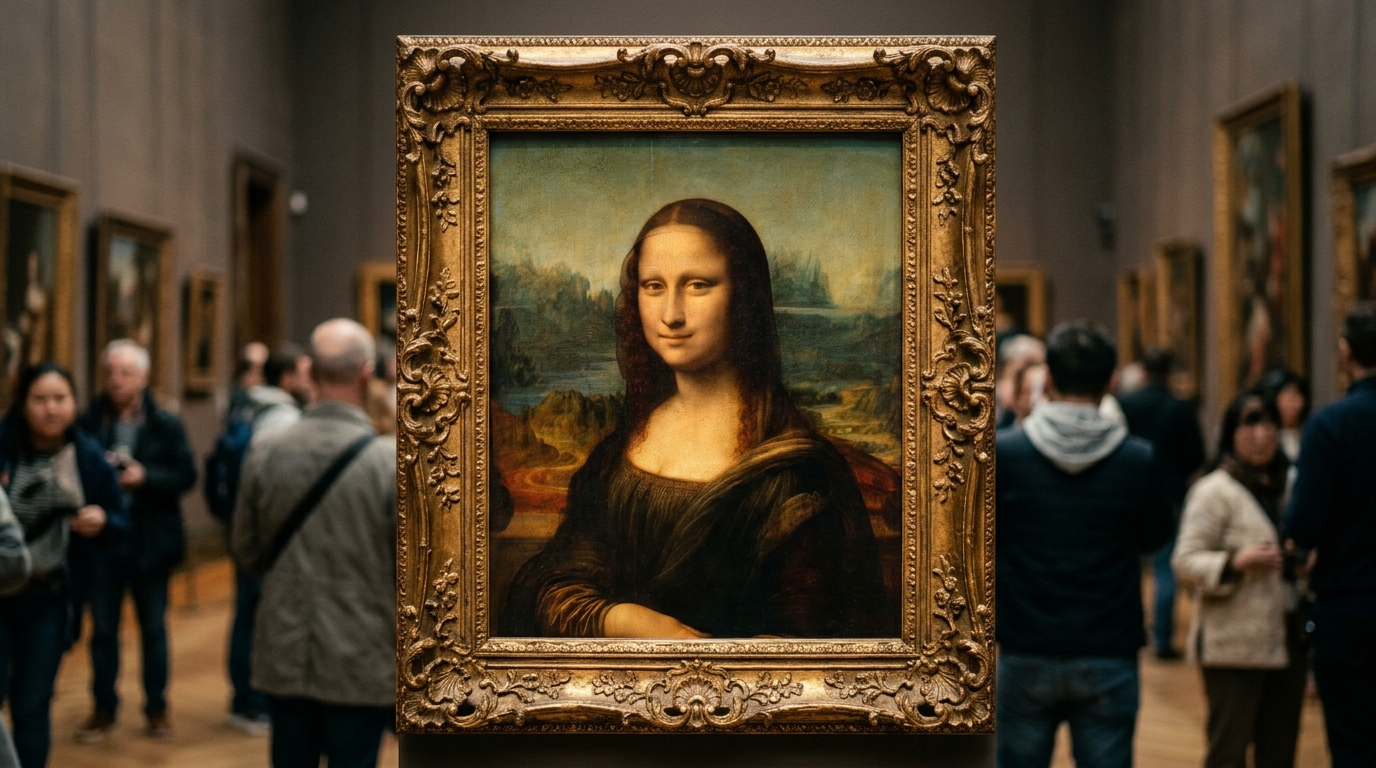
Why the Mona Lisa Is So Famous
A small portrait by Leonardo da Vinci became the most famous painting in the world — thanks to skill, a daring theft and endless copies.
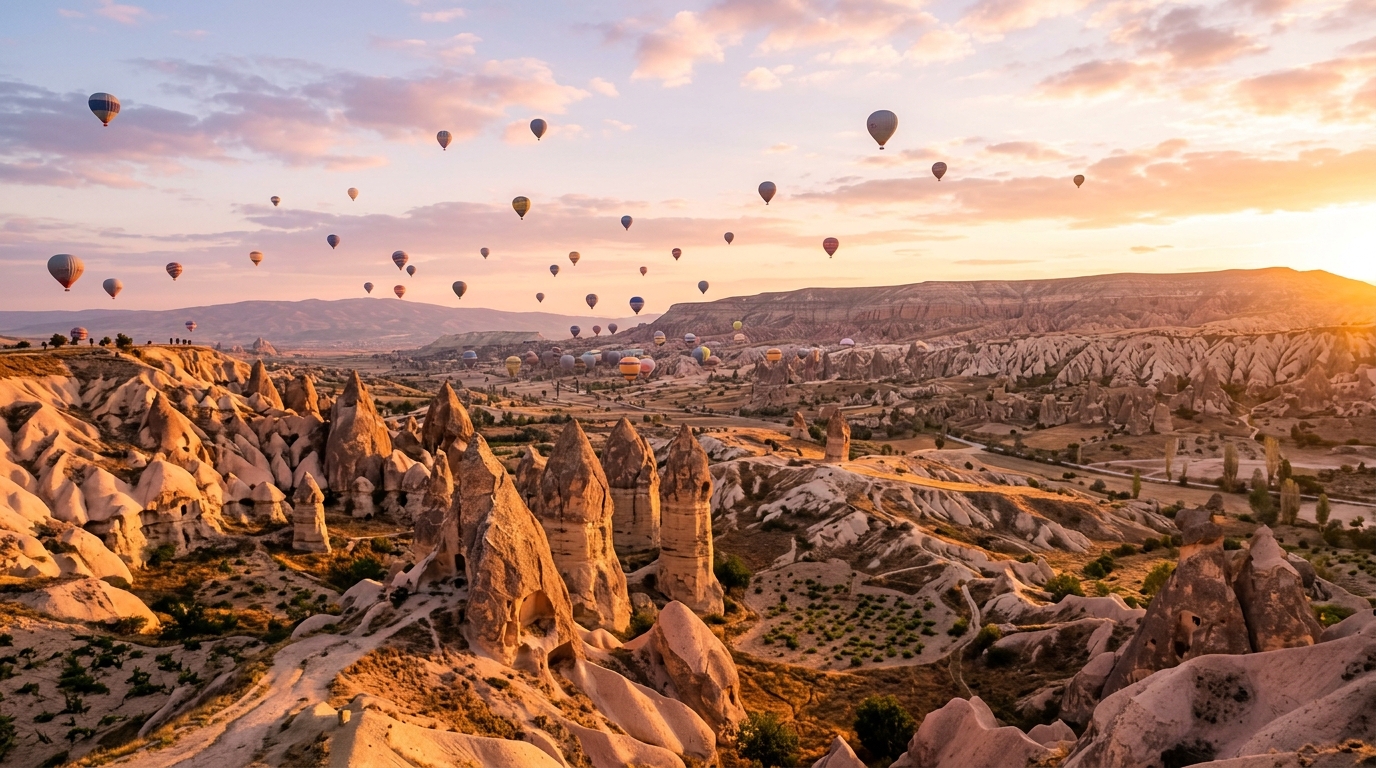
How Cappadocia's Fairy Chimneys Formed
In central Turkey, soft volcanic rock eroded over millions of years into tall cone-shaped 'fairy chimneys' — later carved into homes.
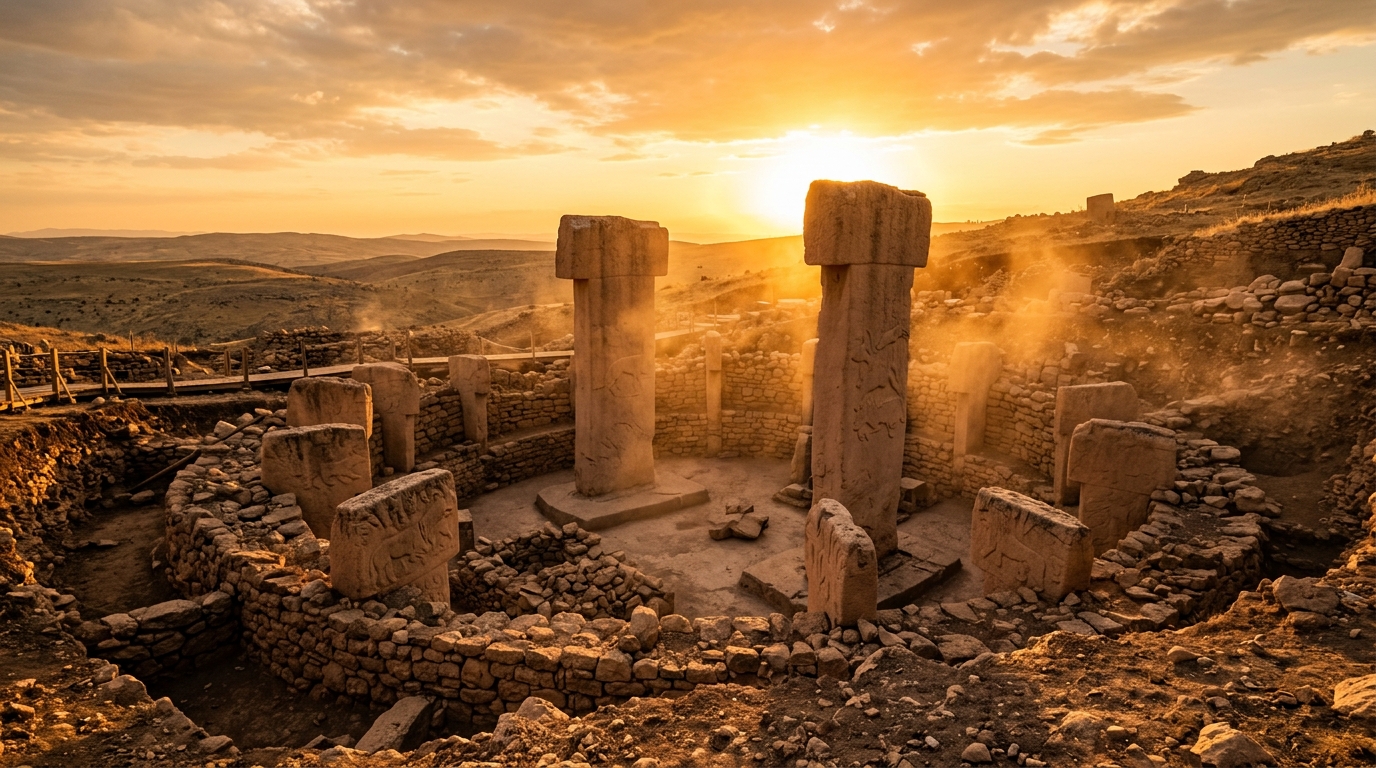
The Ancient City Older Than the Pyramids
In southern Turkey, Göbekli Tepe was built around 11,000 years ago — long before the pyramids — and is changing how we see early people.

Why People Celebrate New Year Differently Around the World
The new year does not begin on the same day everywhere. Different calendars and traditions shape how the world welcomes it.

How a Small Idea Becomes a Global Company
Many of the world's biggest companies began as one small idea. Growing into a global business takes demand, money and time.
Why Some Bridges Can Move
Some bridges lift, swing or roll aside to let tall ships pass. Clever engineering moves huge spans with surprisingly little effort.
How Coral Reefs Build Themselves
Tiny animals no bigger than a fingernail build vast reefs over thousands of years — and shelter a quarter of all sea life.
Why Ice Floats on Water
Most solids sink in their own liquid, but ice floats. This unusual habit of water keeps lakes alive through winter.
How Robots Are Changing Farming
New farm robots can plant, weed and pick crops. They may help farmers grow more food while using less water and fewer chemicals.
Why Scientists Are Studying Mars
Mars is dry and cold today, but rivers once flowed there. Robots are searching the red planet for clues about water and life.
Why Do Whales Sing?
Male humpback whales produce long, structured songs. Scientists are still learning what these ocean sounds really mean.